
NoCMS: The Best Content Management System Is a Conversation

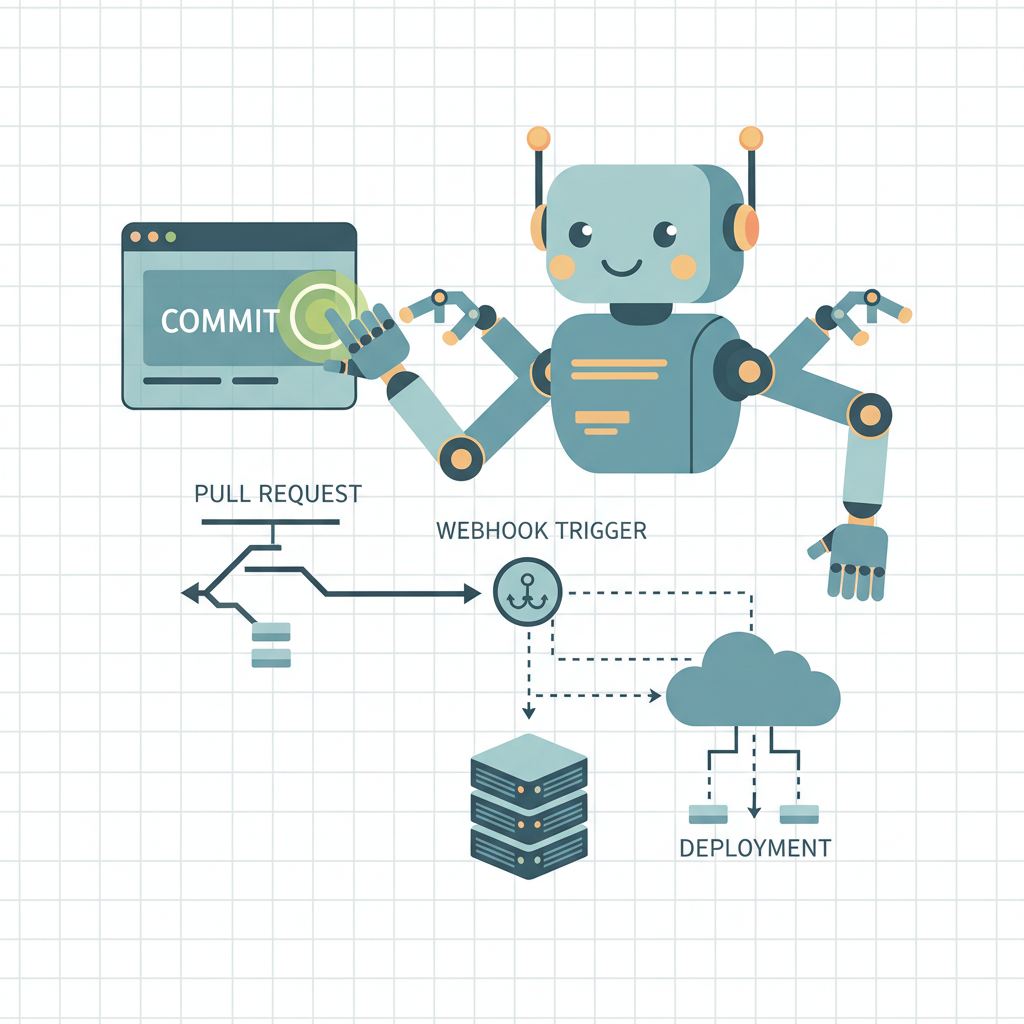
The most common thing clients do with their CMS login credentials is to lose them.
I've been building websites for years, and I keep seeing the same pattern: we sell clients a Content Management System so they can "update the site themselves." Then they never log in. Or they log in once, get confused by the interface, and call us anyway.
A friend recently told me he's built close to 100 sites with CMS solutions. In most cases, the client doesn't remember how to log in a week after delivery. Years later, they call asking to change something trivial - an address, a phone number. They paid extra for a CMS that made their site slower, more expensive to host, and more vulnerable to security issues. For nothing.
The CMS Paradox
Content Management Systems were supposed to democratize web publishing. By giving the keys to the non-technical user and let them update their own content.
But we kind of replaced one interface with another.
To update your website, you now need to:
- Remember you have a CMS, or which one!?
- Find your login credentials
- Navigate an unfamiliar admin interface
- Find the right section, the right page, the right field
- Make your change without breaking anything
- Publish (and hope it looks right)
For a small business owner who updates their site twice a year, this is absurd. We've traded "call the developer" for "figure out this software" - and most people would rather just call someone.
What People Actually Do
When I asked on LinkedIn how people would prefer to make changes to their website, the answers were revealing.
A freelancer described her workflow with clients:
"They email, message, send voice notes, and call me. They ramble, send photos with arrows and circles to show what they're thinking. I formulate the text, edit the images, make sure they're in the right format, and publish. Their ideas, professionally executed. They don't have to remember their logins or where to do what. I get work. Win-win."
This is how humans naturally communicate change requests. Not through forms and fields, but through conversation. "Hey, can you change the opening hours to include Sundays?" "We need to update the team page - Maria left and Jonas started." "That photo on the front page feels outdated."
The Non-CMS
What if we stopped fighting this and built for it instead? I'm calling this approach NoCMS - content management through conversation, not configuration.
Instead of training clients to use an admin interface, what if we gave them something they already know how to use: a conversation?
The architecture is (with todays tools) quite simple.
- A chat interface
- An agent that understands the website's structure and content
- Tools to read, edit, preview and publish changes
- A human-in-the-loop for approval before anything goes live
The client says: "Update our address to Kungsgatan 12"
The agent finds where the address lives on the site, makes the change, generates a preview, and asks for confirmation. No login. No navigation. No learning curve.
I've been building a prototype of this - a "webmaster agent" that can receive natural language requests and translate them into website updates. The technical pieces exist: we have capable language models, we have APIs for content manipulation, we have preview and deployment pipelines.
The shift isn't technical but conceptual. We need to stop thinking of content management as a place you go and start thinking of it as a conversation you have. Or as a friend from LinkedIn put it: "A CMS where the control panel is an API and a conversation."
When You Actually Need a CMS
Let me be clear: traditional CMS solutions still have their place. If you're running a news site with a team of editors publishing daily, you need proper editorial workflows, role-based permissions, content scheduling, and versioning. That's real content management at scale.
But for the local restaurant, the consultant's portfolio, the small business with a five-page website? They probably won't need Umbraco. They need someone (or something) that listens when they say "we're closed on Midsommar" and makes it happen.
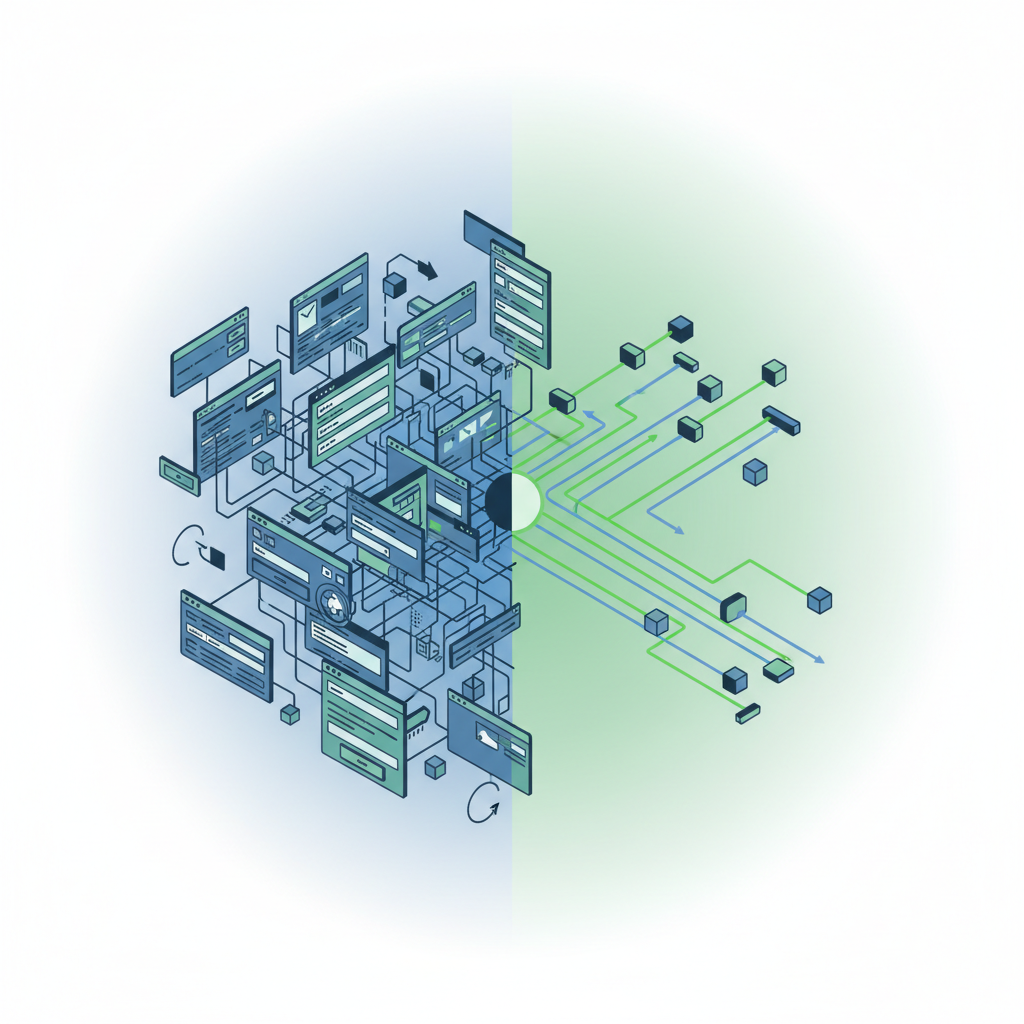
The Augmented Webmaster
This is what AI augmentation should look like. Not replacing the web developer, but removing the friction between "I want this change" and "the change is live." The developer still builds the site, still makes structural decisions, still handles the complex stuff. But the day-to-day content tweaks? Those can flow through a conversation.
The best interface is no interface. The best CMS is no CMS.
Want to try this?
I'm building a working prototype of this idea and looking for a few small business sites to test it on. If you're curious about managing your website through conversation instead of clicking around an admin panel, subscribe below - I'll share updates as this develops and reach out when it's ready for early testers.